
Displaying items by tag: Chicago Shakespeare Theater
Standing Room Only Crowd for Chicago’s Leading Theater Artistic Directors
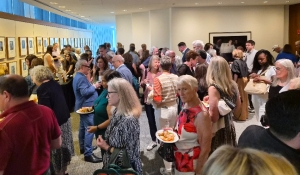
It must have been heavenly for the creative leaders of Goodman, Steppenwolf, Chicago Shakespeare and Court, Chicago’s top regional theaters, to be greeted by a standing room only crowd. But there they were, on a panel moderated by the eminent Chicago Tribune theater critic Chris Jones. The program was introduced by Marla Mendelson, MD, then by her daughter, Tova Wolff, who also happens to be artistic director at Refracted Theatre Company.
Held on the 6th floor of the airy University of Chicago Gleacher Center overlooking the Columbus Drive bridge at the Chicago River, the event was part of the Evening Inquiry Series founded by Mendelson and her husband Stephen Wolff, and arriving on the heels of a landmark report from the Arts Alliance Illinois that shows the creative sector is the sixth largest business sector in the state. In Chicago, where nearly half (47.5%) of the overall state’s direct creative economy output takes place, the sector supports 212,875 jobs, generates $50 billion in output, and generates $5.7 billion in tax revenue. It is Chicago’s 3rd largest industry (11.3%), larger than educational services (10.2%), retail (8.3%), and manufacturing (7.9%).
Citing that as a backdrop, moderator Chris Jones led the panelists through the discussion.
Also referencing the report, Edward Hall, artistic director at Chicago Shakespeare Theater noted, “This city has a very powerful, strong cultural economy as well, which I think feeds social and cultural life, but also it's an economic driver. And you haven't even begun to count the trickle-down effect of people's secondary spending when they fly into town and see Iceboy, or they see Lord of the Rings, whatever they come and see. They're taking cabs. They're going to hotels. They're spending money.”
Jones's questions led to the perhaps surprising revelation: subscriptions to theaters have dwindled. Audrey Francis, artistic director for Steppenwolf, said that at its height, Steppenwolf had 25,000 season subscription holders. “And now we have 5,000,” she said, which was the number when she started her tenure at the theater.
“It's challenged me as an artist to say, ‘Okay, this is the game,’” said Francis. “And it's not about, for us, necessarily what's popular. It's about how are we being our best to make sure that when you come dance with us, we're the best dance partner you have.” According to Francis, “Being challenged to evolve and to keep up and to say, ‘Okay, we can't keep doing the same thing. The rules are changing, and everybody's getting better, and how do we keep up?’”
Budget-wise, ticket revenue overall covers just half the operations of any of these theaters.What that means for theater operators is audience preferences and marketability to individual ticket buyers is a key driving force in the creative selection of scripts to be produced at larger Chicago theaters. Given that, how do artistic directors determine the roster of shows for each season?
What came up in the course of the panel is that there is serious tension (as might be expected) between including the established “canon” of playwrights—Eugene O’Neil, Ibsen, Chekov, Shakespeare, Shaw, etc.—and new works from rising talents around the country. Over recent years new works have risen in prominence, while the number of scripts from the old guard have diminished.
The event was preceded with an open bar reception and generous array of hor d'oeuvres, during which the audience mingled. There were actors, creatives from theater companies, and the regulars who attend these Evening Inquiries sessions at the University of Chicago’s Gleacher Center. As a theater critic for Buzz Center Stage, I recognized a number of publicists from theatrical groups and agencies that specialize in communications for this marketplace.
One woman I spoke to was the spouse of an actor. I also met a man who was a retired professor of drama from Bates College in Lewiston, ME, who complained heartily of the numerous new works in seasons just announced by the panelists’ theaters, to the exclusion of Shaw and other traditional canonical works. “What’s the best thing you’ve seen in the last year?” he asked me, his voice ripe with challenge. I answered unequivocally: “The Devil Comes to Town at Trap Door Theater.” (It was adapted and directed by Jeremy Ohringer who is also on the faculty at DePaul University.)
This was a perfect lead-in to the discussion of seasons filled with newer works, discovered through careful dramaturgy of who and what is trending around the country, which may be unfamiliar to Chicago audiences. There is risk attached to trying such unknown works as part of a mission for exposing audiences to what the theaters think they might or should like.
“If you go back to that origin statement about serious, mission-driven work, fully fifty percent of your annual income is box office dependent,” said Susan Booth, artistic director at Goodman Theatre. Producers can no longer rely on subscription ticket holders to weather through whatever they’re given in a season. “That box office number is a reality in our day-to-day life,” Booth said. “And I would love to hear from my colleagues on the panel about the challenge of selling mission-driven work versus selling popular work.”
Chicago Shakespeare’s Hall noted that theater lives in a perpetual recession. “There has never been a moment when I've heard any of my colleagues say, ‘What do we do with all this excess money?’ And theater has always been striving to do mission-driven work. And the idea that if you go popular, it's easy,” Hall said, “it's a lie, actually.” (Though the exception proving the rule perhaps are the lavish productions at Paramount Theatre in Aurora, generously underwritten by its neighboring casino profits.)
Avery Hoffman, who was named artistic director just last November at Court Theatre at the University of Chicago, described her theater’s audiences as many layered: the students and faculty on campus, individuals throughout the surrounding Hyde Park area, and the entire south side of Chicago, the city at large and the region. “This knowledge of your audiences is really, really important to that collective thinking, certainly to my collective thinking,” Hoffman said. “It means that our seasons maybe take a little bit longer to come to fruition. But then at the end of the day, you have a collective agreement about what your mission is, what shows that you're doing that serve that mission, and an audience that knows that mission and is there to support [it].”
A lengthy discussion covered the shifting role of these big regional theater companies from gatekeepers of what should be seen by audiences, to collaborative facilitators of what audiences want—even if that means bringing them unfamiliar scripts that meet their latent interests. Francis noted that the ensemble-powered company of Steppenwolf has long meant that the establishment of each season's offerings is the product of intense creative conflict, in the best sense of those words.
Best Question of the Night
After 30 minutes, Jones entertained a few questions from the audience, and the first out-of-the-gate came from a long-haired young man who cited the recent transfer of the a cappella musical Octet from Raven Theatre’s space on Clark St. to extend its run at the Goodman’s Owen Theater for three weeks this summer.
Goodman’s Booth responded that she had an immediate reaction when she saw Octet at Raven: “I thought the ceilings are just too low for these great voices.” And so it happened, but that is a rarity in Chicago. “The big theaters are often dark,” the questioner pointed out, and these successful storefront shows need to be able to get to bigger venues in order to extend their runs, rather than simply close to accommodate a subsequent planned production from their own season. "All of us are keenly aware that we benefit from the ecosystem," Booth said, referring to Chicago's many storefront and small theaters.
Of course, this is the natural ecosystem in New York, where Off Off Broadway shows frequently transfer to Off Broadway and sometimes on to Broadway—usually driven by proven audience demand. Why couldn’t that happen more frequently in Chicago? This led to an intriguing proposition from Chicago Shakespeare's Hall for a separate non-profit theatrical entity that might serve as a development center for co-producing shows, lef by Chicago's regional theaters.
Three cheers to University of Chicago and Mendelson's Evening Inquiry series for putting this remarkable discussion of theater on stage.
Chicago Shakespeare Theater announces Two Shakespeare Productions in Repertory beginning October 13 - January 3

|
||||||
|
||||||
|
||||||
|
||||||
|
Chicago Shakespeare's Brokeback Mountain Soars

Some stories refuse to fade with time, and Brokeback Mountain is one of them. What began as a modest short story by Annie Proulx in The New Yorker in 1997 grew into an award-winning literary work, an acclaimed film, and now a deeply moving stage adaptation by Ashley Robinson at Chicago Shakespeare Theater. Under the assured direction of Jonathan Butterell, this production achieves something rare: it honors the source material while creating an emotionally overwhelming theatrical experience that stands on its own merits.
Proulx's story unfolds in 1963, in a world where homophobia was not merely accepted but embedded within the culture. In rural America, far removed from urban centers and decades before meaningful LGBTQ+ rights protections, Ennis Del Mar and Jack Twist find themselves trapped between the lives they are expected to live and the love they cannot deny. Although the story concludes in 1983, its themes remain startlingly relevant. The prejudice that shaped their lives has not disappeared; it has simply changed forms.
Butterell's direction is masterful. He understands that the power of Brokeback Mountain lies not in grand declarations but in silences, glances, and opportunities missed. Every scene is infused with aching restraint, allowing the audience to feel the enormous weight of what remains unspoken. The result is a production that slowly tightens its grip on the audience.
Harrison Ball delivers a remarkable performance as Ennis Del Mar, capturing the character's stoicism, fear, and buried longing with heartbreaking precision. Opposite him, Jack Cameron Kay gives Jack Twist an irresistible warmth and optimism, making his refusal to surrender to a life of secrecy all the more poignant. Together, the two actors create a chemistry so natural and compelling that the audience becomes deeply invested in every stolen moment they share.
The supporting cast is equally extraordinary. Cordelia Dewdney's Alma Del Mar is nothing short of revelatory. Dewdney charts Alma's transformation from a hopeful young wife into a woman forced to confront painful truths with astonishing emotional depth. Her performance is so finely calibrated, so emotionally authentic, that it feels destined for award recognition. Every look, every hesitation, every moment of heartbreak lands with devastating force. It is one of the finest performances currently on a Chicago stage.
Thomas Cox and Kat Eggleston excel in multiple roles, helping populate the world around Ennis and Jack with richly drawn characters. Eggleston's work as the Balladeer provides a haunting thread that runs through the production, giving voice to emotions the characters themselves cannot express.
Tom Pye's scenic and costume design is stunning in its simplicity. With minimal elements, he evokes the sweeping grandeur of Wyoming's mountains and the claustrophobic domestic spaces that confine the characters for much of their lives. The contrast is striking. On Brokeback Mountain, Ennis and Jack briefly experience freedom. Everywhere else, they are hemmed in by expectations, obligations, and fear. Sammi Grant's dialect coaching enriches the production, lending authenticity to the Wyoming accents and further immersing the audience in the world of the play.
What makes this production particularly resonant is its willingness to confront the societal forces that shaped Ennis and Jack's tragedy. The play never becomes didactic, yet it clearly illustrates how homophobia was reinforced by cultural institutions, including religious traditions and biblical interpretations that were frequently used to condemn same-sex relationships and enforce rigid definitions of masculinity. Whether through family expectations, community pressure, or appeals to religious authority, the message was clear: people like Ennis and Jack were expected to deny who they were. The production allows audiences to witness the devastating human cost of those beliefs without reducing its characters to symbols or political arguments.
Although Brokeback Mountain is not a musical, musical elements are woven seamlessly into the storytelling, becoming an emotional landscape of their own. Rather than interrupting the narrative, the ballads deepen it, expressing feelings that the characters are unable to articulate. Combined with the breathtaking visual and emotional scope of the production, the music helps transform the story into something more.
What is most impressive is how contemporary the play feels. Nearly forty years after the events depicted, Brokeback Mountain remains a cautionary tale about the consequences of intolerance and the lives damaged when love is forced into secrecy. Yet it is also a story of resilience, desire, and the human need for connection.
Chicago Shakespeare Theater has delivered one of the most powerful productions of the season. Under Jonathan Butterell's direction, every artistic element works in harmony to create an evening of theater that is both intimate and epic. It would not be surprising to see this production enjoy a future life beyond Chicago. The quality of the staging, the strength of the performances, and the universal appeal of the material suggest a production that could fare exceptionally well in New York and beyond.
Brokeback Mountain is theater at its finest—beautifully acted, exquisitely directed, emotionally devastating, and utterly unforgettable. It is not merely a revival of a story; it is a production that reminds us why stories like this continue to matter. And in Jonathan Butterell's hands, it soars.
Highly Recommended
Running Time: 90 minutes
When: Through June 28
Where: Chicago Shakespeare Theater 800 East Grand Avenue in Chicago
Tickets: $65 - $125
Box Office: 312-595-5600
Info: www.chicagoshakes.com
This review is proudly shared with our friends at www.TheatreInChicago.com.
League of Chicago Theatres welcomes the summer theatre season

Chicago continues to produce some of the most exciting work in the country this Summer, offering a wide variety of plays and musicals, as well as comedy, dance, music, and more. To highlight these productions, The League of Chicago Theatres is publishing its Summer Theatre Guide, which showcases more than 100 productions; not just in Chicago's iconic theatre districts, but also across vibrant suburban communities. From Oak Park to Naperville, Glenview to Des Plaines, theatres across the region offer top-tier performances that make it easier than ever to experience the magic of live theatre close to home.
For additional details about this summer's performances and the Summer Theatre Guide visit the League of Chicago Theatres website, ChicagoPlays.com. Many summer shows will also be available at HotTix.org, Chicago's local, discounted ticketing service.
The following is a selection of notable work playing in Chicago this Summer, organized by location.
A selection of productions playing in theatres located Downtown are:
Brokeback Mountain
Chicago Shakespeare Theater
May 28 – June 28, 2026
When Ennis and Jack take jobs on the isolated Brokeback Mountain, all their certainties of life change forever as they flounder in unexpected emotional waters. This intense tale of a hidden love spans 20 years and is interwoven with soulful, original Country Western songs, performed live onstage.
Eugene Onegin
The Joffrey Ballet at Lyric Opera House
June 4 – 14, 2026
Set against the backdrop of 19th-century Russian society, this cautionary tale follows the enigmatic and aloof aristocrat after his fateful encounter with the earnest Tatiana. Richly layered and deeply human, Eugene Onegin explores the fragility of the human heart and how unspoken words can shape destinies.
Untitled Vampire Play
Lookingglass Theatre Company
June 4-July 12, 2026
This romantic-comedy-meets-horror-story world premiere by Kevin Douglas explores love, commitment, codependency...and, of course, vampires.
Champions of Magic
Studebaker Theater in the Fine Arts Building
June 6 – July 5, 2026
The production that critics have described as 'the most spectacular show,' 'two hours of mind-twisting, logic-defying entertainment' and 'the summer blockbuster of magic shows.'
SUFFS
Broadway In Chicago at CIBC Theatre
June 7– 19, 2026
Direct from Broadway comes the acclaimed Tony Award®-winning musical Suffs about the brilliant, passionate, and funny American women who fought tirelessly for the right to vote.
Kinky Boots
Broadway In Chicago at the James M. Nederlander Theatre
June 9 - 21, 2026
Kinky Boots follows the journey of two people with nothing in common—or so they think. As Charlie and Lola work together to turn a shoe factory around, this unlikely pair finds that they have more in common than they realized.
Iceboy!
Goodman Theatre
June 20 – July 26, 2026
Broadway's brightest star of 1938, Vera Vimm, is at the top of her game. But when she adopts a 40,000-year-old Neanderthal discovered frozen in the Arctic, the spotlight begins to shift. As Iceboy thaws, he unexpectedly becomes a theatrical sensation, inspiring Eugene O'Neill and challenging his legendary mother for center stage.
A Musical Tribute to John Williams & Steven Spielberg
Chicago Symphony Orchestra
June 23, 2026
Celebrate the legendary collaboration between composer John Williams and filmmaker Steven Spielberg. From Jurassic Park and Jaws to Indiana Jones and E.T. the Extra-Terrestrial, the scores born of this 50-year creative partnership have captured imaginations around the world.
Star Wars: A New Hope in Concert
Chicago Symphony Orchestra
June 25 – 27, 2026
Embark on an epic adventure to a galaxy far, far away with Star Wars: A New Hope! Experience the iconic film like never before as CSO performs John Williams' legendary Oscar-winning score live.
& Juliet
Broadway in Chicago at Auditorium Theatre
July 22 - August 2, 2026
Break free of the balcony scene and get into this romantic comedy that proves there's life after Romeo. The only thing tragic would be missing it.
Theatres are located in almost every neighborhood in Chicago. A selection of productions playing throughout Chicago are:
Always...Patsy Cline
American Blues Theater
Playing through June 13, 2026
This musical play, complete with down home country humor and big-heart ed emotion, includes hits "Crazy," "I Fall to Pieces," "Sweet Dreams," "Walkin' After Midnight" and more!
LOKI-The End of the World Tour
Lifeline Theatre
Playing through June 13, 2026
In this World Premiere musical, Loki arrives at Asgard, bringing chaos, comedy, and three monstrous (maybe) children. In an us vs. them world, can we envision a new mythology?
The Targeted
A Red Orchid Theatre at Chopin Theatre
Playing through June 14, 2026
Welcome to the Solidarity and Truth Summit. A gathering of the most persecuted, tortured, and misunderstood people in the entire world. They call themselves Targeted Individuals, and they are victims of a vast and covert program of systematic torture, surveillance, and harassment by global intergovernmental powers.
OCTET
Raven Theatre Company
Playing through June 14, 2026
Hailed by the New York Times as "the most original and topical musical of the year" for its 2019 Off Broadway premiere, this inventive and acutely relevant piece reflects the perils of the digital age.
Antigone
Promethean Theatre Ensemble at The Den Theatre
May 31 - June 27, 2026
A timely production of the classic WW2 era adaptation made all the more relevant by recent local and national events.
Catch As Catch Can
Steppenwolf Theatre Company
June 4 - July 12, 2026
When a prodigal son returns to blue collar New England, his homecoming sets off a spiraling crisis for two families, threatening not only their relationships but their very identities. Spanning hilarity, stunning virtuosity and outright horror, this ferocious Chicago premiere—featuring an all-ensemble cast—must be witnessed to be believed.
As You Like It
Midsommer Flight
June 26 – August 2, 2026
Free outdoor performances of Shakespeare's As You Like It will be presented outdoors in six Chicago Parks District parks – Chicago Women's Park and Gardens, Gross Park, Nichols Park, Kelvyn Park, Winnemac Park, and Touhy Park. Banished from court by her uncle, Rosalind escapes to the Forest of Arden, where she disguises herself as man in order to win over her lover by trying to convince him he should forget her. Audiences are encouraged to come early and bring a picnic to enjoy this free programming.
Hair
Kokandy Productions at Chopin Theatre
July 2 - September 13, 2026
Exploring ideas of identity, community, global responsibility and peace, Hair remains relevant as ever as it examines what it means to be a young person in a changing world.
Marble
Gift Theatre at Copernicus Center
August 2 – August 30, 2026
Marble follows two married couples, Ben and Catherine, and their friends Art and Anne, whose comfortable lives begin to splinter after a shared dream triggers suspicion and desire.
A surreal and haunting exploration of two couples whose lives collide through shared dreams, this production anchors the company's homecoming to the neighborhood where it was founded.
Productions playing in the suburbs of Chicago include:
Nunsense
Drury Lane Theatre
June 10 – August 2, 2026
Get ready to laugh the summer away with nuns from the Little Sisters of Hoboken. This beloved revue, directed by E. Faye Butler, will have you in stitches as the five sisters stage a variety show fundraiser filled with outrageous musical numbers and zany comedy.
A Little Night Music
Marriott Theatre
Playing June 17 – August 9, 2026
Set in 1900 Sweden, A Little Night Music explores the tangled web of affairs centered around actress Desirée Armfeldt, and the men who love her. Amid a flurry of jealousy and suspicion, infinite possibilities of new romances and second chances bring endless surprises. Stephen Sondheim's witty, brilliant masterpiece.
Leopoldstadt
Writers Theatre
June 4 - July 19, 2026
At the dawn of the 20th century, Vienna is the heart of European culture. While an extended family gathers in the elegant Merz home for the holidays, two brothers-in-law passionately debate their conflicting visions for the future of their family and the Jewish people–a tension that will echo through the generations that follow.
The Producers
BrightSide Theatre at Theatre at Meiley-Swallow Hall
June 12 – 28, 2026
Mel Brooks' outrageous musical comedy about two schemers trying to stage the biggest Broadway flop of all time—only to accidentally create a smash hit!
The Last Five Years
Oil Lamp Theater
June 6 - July 5, 2026
This widely beloved show takes audiences on the romantic rollercoaster of Jamie and Cathy as they fall in...and out of love over the last five years.
BEAUTIFUL: The Carole King Musical
Highland Park Players at McGrath Family Performing Arts
July 17 – 26, 2026
Before she was hit-maker Carole King—she was Carole Klein, a spunky, young songwriter from Brooklyn with a unique voice. Beautiful: The Carole King Musical takes you back to where it all began and takes you on the ride of a lifetime.
For a comprehensive list of Chicago productions, visit the League of Chicago Theatres website, ChicagoPlays.com. Available discounted tickets will be listed at HotTix.org.
About Chicago theatre
Chicago theatre is the leader in the U.S. with more than 250 theatres throughout Chicagoland, comprising a rich and varied community ranging from storefront, non-union theatres to the most renowned resident theatres in the country, including 6 which have been honored with Regional Tony Awards, and the largest touring Broadway organization in the nation. Chicago's theatres serve 5 million audience members annually and have a combined budget of more than $250 million. Chicago produces and/or presents more world premieres annually than any other city in the nation. Each year Chicago theatres send new work to resident theatres across the country, to Broadway, and around the world. For more information, visit www.chicagoplays.com.
The League of Chicago Theatres' Mission Statement
Theatre is essential to the life of a great city and to its citizens. The League of Chicago Theatres is an alliance of theatres, which leverages its collective strength to support, promote and advocate for Chicago's theatre industry. Through our work, we ensure that theatre continues to thrive in our city.
Chicago Shakespeare Theater announces 40th Anniversary Season

|
|
|
Fault Shakes Up Chicago Shakespeare Theater with Fierce, Funny Chaos

Dark comedies built around relationship dynamics have always drawn me in because they reveal conflict with a kind of honesty that feels both familiar and unpredictable. When couples clash, the humor isn’t just situational; it’s rooted in history, habit, and the tiny emotional landmines only long-term partners know how to trigger. Fault fits squarely into that tradition, taking the everyday rhythms of a long marriage and pushing them just far enough to expose the raw, funny, and uncomfortable truths beneath the surface. That blend of recognition and surprise is exactly what makes this kind of comedy so compelling, and why Fault lands with such a specific charge.
That sense of intimate volatility is exactly what Jason Alexander explores in his return to Chicago Shakespeare Theater. With Fault, he brings the sharp directorial instinct he showed in his earlier CST production Judgment Day and applies it to a far more contained emotional landscape. In this world premiere written by Scooter Pietsch, he shapes the play’s tightening grid of tension and moral uncertainty with a touch that feels both precise and unexpectedly humane. The result is a tightly focused piece driven by tension that sparks almost instantly - less an explosive outburst than a controlled shift in the room - with the personal fractures between the characters steering the story toward its breaking point.

Pictured are Enrico Colantoni (Jerry), Playwright Scooter Pietsch, Rebecca Spence (Lucy), Nick Marini (Shaun), and Director Jason Alexander. April 18– May 24, 2026, in The Yard at Chicago Shakespeare. Photo by Justin Barbin.
In Fault, the night detonates the moment Jerry Green walks in expecting to celebrate a career defining merger and instead finds his wife, Lucy, in an intimate moment with a young man she has just met, Shaun. What could have ended in a single, stunned confrontation instead becomes the spark for a long, spiraling night in which no one is allowed to leave, and nothing stays contained. The shock of the discovery quickly gives way to a volatile mix of accusations, shifting alliances, and long suppressed grievances, turning their home into a closed-door standoff where every truth feels like a trap and every explanation opens a deeper wound. Jerry and Lucy have long operated as a high functioning power couple, relying on professional unity to keep their marriage steady; once that balance collapses, the cracks at home widen just as quickly. It is interesting that Pietsch also underscores the irony that Jerry’s career‑defining merger has just made the couple newly minted billionaires after a long string of failures, and yet - proving that all the money in the world can’t change some people - they still behave like high‑achieving narcissists, turning their blame and abuse on each other and on the young stranger they’ve invited into their lavish home.
As the hours stretch on, the situation tilts from chaotic to revealing, exposing the fractures that have been quietly shaping this marriage for decades. Jerry’s need for control, Lucy’s hunger for something unspoken, and Shaun’s unexpected presence collide in ways that force each of them to confront what they’ve been avoiding. What begins as a moment of betrayal becomes a full-scale excavation of loyalty, resentment, and the stories couples tell themselves to stay intact. The play’s dark humor emerges from this escalating tension - how quickly a single mistake can unravel a life, and how a marriage can be tested most brutally not by the act itself, but by everything it brings to the surface. And just to remind you, this is a comedy - and a hilarious one at that.
Jerry even admits at one point that arguments never really have winners, a truth he delivers with the weary certainty of someone who has spent years circling the same conversational battlegrounds. Yet the play understands something deeper and more uncomfortable: that couples can become strangely addicted to the very banter that exhausts them. The back‑and‑forth may bruise, but it also affirms a shared language, a familiar rhythm, a way of feeling alive inside a relationship that has otherwise gone quiet. In Fault, that warped need becomes both a source of comedy and a mirror held up to the audience, revealing how easily love and combat can blur when two people know each other too well.
For all its blistering comedy, Fault is threaded with the quieter, more unsettling realizations that come with aging - what it means to feel your desirability slipping, to lose track of the person you married, or to crave the parts of yourself you fear have vanished. The betrayals at the center of the play aren’t just about infidelity; they’re about the desperate need to feel seen, wanted, and alive again. Beneath the chaos and sharp-edged humor runs a steady pulse of vulnerability, as each character confronts the version of themselves they’ve been avoiding. And just when the night seems like it can’t twist any further, the play barrels into a smash bang ending that lands with real force - the kind that sends audiences out buzzing, debating, and replaying the final moments long after the curtain comes down.

Presenting the world premiere dark comedy Fault, by Scooter Pietsch and directed by Jason Alexander. Featuring Enrico Colantoni (Jerry) and Nick Marini (Shaun). Photo by Justin Barbin.
The cast of Fault features three principal performers, each driving a different charge in the play’s volatile, rapidly escalating night. Enrico Colantoni gives Jerry Green a grounded, lived in presence, letting decades of pent up frustration surface through tightly controlled physical choices and a dry comic timing that makes his smallest shifts register. Opposite him, Chicago favorite Rebecca Spence shapes Lucy Green with a blend of wit, restraint, and emotional clarity; her sharp physical beats and instinctive timing keep each exchange taut while still allowing the humor to flicker through. Shaun, whose chance encounter with Lucy at the bar leads him into the Green household, played by Nick Marini, adds a destabilizing charge to the night, using quick, reactive movement and an agile sense of timing to tilt the dynamic just enough to expose the deeper fractures beneath the couple’s carefully maintained surface.
Their combined work is strengthened by the breadth of experience each actor brings to the stage. Colantoni’s long career in film and television, including standout turns in Veronica Mars and Galaxy Quest, gives his performance a steady, lived in weight. Spence, a Chicago mainstay with a Jeff Award and recent visibility in The Madison, brings sharp focus and emotional clarity to Lucy. Marini adds a younger charge to the trio, drawing on credits like Cobra Kai and Dropout TV to shape a presence that subtly disrupts the relationship dynamic.
The action unfolds inside a tastefully appointed luxury home crafted by scenic designer Paul Tate DePoo III, who gives the Greens a space that gleams with success without ever feeling sterile. A streamlined bar sits at the rear of the room, and the warm finishes, refined furnishings, and subtle touches make the environment inviting rather than ostentatious - a polished retreat that still feels lived in. It’s the kind of setting that should radiate comfort and control, yet under Alexander’s direction it gradually sharpens, its clean lines and curated surfaces taking on a quiet tension as the night begins to break down.
Alexander’s own trajectory mirrors that same level of craft, extending far beyond the stage. Although Jason Alexander is widely known for his television work on Seinfeld and film roles ranging from Pretty Woman to Shallow Hal, he brings none of that celebrity shorthand to Fault. Instead, his decades in front of the camera seem to refine his instincts behind the table. His sense of timing, character shaping, and emotional pacing reflect the precision of someone who has lived inside stories of every scale. It’s a résumé that could easily overshadow a production, yet here it deepens his approach, grounding the play’s volatility in choices that feel thoughtful rather than showy.
Running just ninety minutes without an intermission, Fault maintains a tight, steady pulse that matches the tightening chamber of its late-night unraveling. Chicago Shakespeare Theater presents the world premiere through May 26, offering audiences a sharply observed look at a marriage pushed past its breaking point. What stays with you isn’t only the tension or the humor, but the clarity of the production itself, which recognizes how a single, seismic domestic shift can rattle everything a couple has built, sending shockwaves through a foundation that once seemed unshakeable.
Highly recommended.
For tickets and/or more show information, click here.
This review is proudly shared with our friends at www.TheatreInChicago.com.
A Final Bow: Chicago Theatre Mourns Matt DeCaro

The Chicago theater community is grappling with the sudden loss of Matt DeCaro, whose death early Saturday came as a shock to colleagues and audiences alike. A cause of death has not been made public. Only hours before, he had taken the stage at the Goodman Theatre, performing the role of Sturdyvant in Ma Rainey’s Black Bottom during Friday night’s show. His unexpected passing led to the cancellation of Saturday’s matinee, while the evening performance moved forward as a tribute to his decades of work and the impact he left on the city’s artistic landscape.
DeCaro’s career stretched across more than four decades and reached nearly every major stage in Chicago. His long association with the Goodman Theatre included roles in Heartbreak House, The White Snake, The Cherry Orchard, Night of the Iguana, Boy Gets Girl, Camino Real, Romance, Richard II, Spinning into Butter, and The Play About the Baby. He moved fluidly between companies and styles, portraying Winston Churchill in Drury Lane’s The Audience, stepping into Doc’s role in Marriott Theatre’s West Side Story, and earning a Jeff Award for his performance in Cat on a Hot Tin Roof. His work extended across the region as well, with appearances at Chicago Shakespeare Theater, Victory Gardens, Licoln Center, the Guthrie, and Asolo Rep. Beyond his extensive Goodman history, DeCaro built a substantial body of work across the city, including a standout turn in Steppenwolf’s Men of Tortuga - recognized by the Chicago Tribune as one of 2005’s most memorable performances - and a role in Victory Gardens’ Symmetry, further underscoring his versatility and command as a character actor.
His screen résumé was equally wide-ranging, with roles in Prison Break, The Office, Curb Your Enthusiasm, Chicago P.D., ER, U.S. Marshals, and Richie Rich. Yet for many, it was his presence on Chicago stages that defined him - steady, generous, and deeply rooted in the craft. Among the roles that left a lasting mark on those who followed his work, DeCaro’s Big Daddy in Cat on a Hot Tin Roof at Drury Lane stands out as a personal favorite. The mix of authority and raw vulnerability he brought to the character made the performance unforgettable - the kind that lingers in your mind long after the production has ended.
As tributes continue to emerge, the sense of loss is felt not only by those who worked beside him, but by audiences who witnessed his final performance just one night before his passing - a testament to how fully he remained devoted to the work until the very end.
In losing Matt DeCaro, Chicago loses one of the quiet forces that helped shape its stages for decades. His work was never about spotlight or spectacle - it was about craft, commitment, and the kind of presence that made every production stronger simply because he was in it. Even as the community mourns, the stories he told and the characters he embodied continue to resonate, a lasting reminder of an artist who gave everything he had to the world he loved.
At Chicago Shakespeare Theater, Mrs. Krishnan’s Party Feeds the Soul

As I entered the black box studio at Chicago Shakespeare Theater, I’ll admit - I wasn’t in the best frame of mind. Before leaving home, I’d watched the news: the endless cycle of violence, bombings, and that tired “us versus them” narrative that seems to define our moment. My spirit felt worn down. On top of that, I had spent the day finishing a review from earlier in the week, so I arrived more drained than inspired. Theatre, on this night, felt like an obligation.
Then Mrs. Krishnan’s Party happened - and everything shifted.
Instead of the usual routine of being guided to my seat by The Saints, I was greeted at the door by James (Justin Rogers), dressed in an outfit that immediately caught my attention. He asked my name. We talked. It wasn’t forced or performative - it was genuinely human. By the time he led me to my seat, the invisible barrier between audience and performer had already begun to dissolve. He introduced me to the people around me: to my left, a well-traveled gentleman from Ohio by way of India; to my right, a mother and daughter who helped identify James’s attire as a South Indian costume, rich with cultural specificity. Already, I wasn’t just watching a show - I was part of a group.
That’s when I realized we were not simply audience members, but guests of James, who was hosting a surprise party for his landlady. The occasion is Onam - a vibrant harvest celebration rooted in the southern Indian state of Kerala. What unfolds is not just theatre, but an act of radical hospitality. Music pulses. Conversations bloom. Strangers become co-conspirators in joy. This show is more than immersive - it is enveloping, dissolving the line between performer and audience until you’re no longer watching a story, you’re living inside it.
This approach is the hallmark of Indian Ink Theatre Company, the New Zealand-based ensemble behind the production. Founded by Justin Lewis and Jacob Rajan in the late 1990s, the company has earned an international reputation for creating intimate, actor-driven works that blend South Asian storytelling traditions with contemporary theatre. Their work explores identity, migration, and cultural hybridity through a deeply human - and often humorous - lens. More than anything, they prioritize connection: their productions don’t just tell stories; they build shared experiences.
And that’s what undid me.

Photo courtesy of Indian Ink Theatre Company.
When Mrs. Krishnan (Kalyani Nagarajan) finally arrives, she is startled to find the back of her small shop filled with strangers. There’s hesitation - this wasn’t her plan - and beneath it, something heavier lingers. As the evening unfolds, we begin to feel the weight she carries: the loss of her husband, the quiet ache of a son - an architect - now gone. These moments settle into the space with a tender gravity, reminding us that her warmth is hard-earned.
And yet, just as the story begins to lean into that sorrow, the play grabs and lifts us again. Laughter breaks through, balloons appear. Music returns. The room brightens. What begins as disruption transforms into delight as she embraces the gathering and, in a gesture both intimate and communal, decides to cook daal for all of us. In that moment, grief and joy exist side by side—each making space for the other.
Somewhere between the laughter, the dancing, and the smell of daal, the heaviness I carried into the theatre dissolved. Not in a naïve or escapist way, but in a way that felt necessary. Soundly directed by Justin Lewis, the show doesn’t ignore the fractured world outside; it quietly insists on another possibility within it: community, warmth, shared humanity.
By the end of the evening, I realized I hadn’t just watched a play - I had been in community with people different than me, yet deeply the same. In a time when division dominates the headlines, Mrs. Krishnan’s Party offers something deceptively simple and profoundly radical: a room full of strangers choosing, for a moment, to be together.
And that, right now, feels like everything.
Recommended
When: Through May 3rd
Where: Chicago Shakespeare Theatre 800 East Grand Avenue in Chicago.
Tickets: $74 - $90
Box Office: 312.595.5600
Info: www.chicagoshakespeare.com
This review is proudly shared with our friends at www.TheatreInChicago.com.
Shakespeare Is in Love Again in 'Hamnet' at Chicago Shakespeare Theater

“Hamnet,” a stage play adapted by Lolita Chakrabati (known for Life of PI and Red Velvet), and directed by Erica Whyman is in its U.S. debut at Chicago Shakespeare Theater on Navy Pier. This production originated and performed by the Royal Shakespeare Company for its U.S. tour, has generated a lot of excitement, heightened further by the many Oscar nominations for a film by the same title, though it is a very different adaptation of the same book.
Both were drawn from Maggie O’Farrell’s best-selling novel “Hamnet: A Novel of the Plague” speculating on the life of William Shakespeare and his wife and family. The story line delves into the family life of the couple, the first act devoted to William and Agne’s birth families and their love affair and eventual marriage.
The second half revolves around their children, and traces Shakespeare’s ascendancy into the upper echelons of English theater. He draws the attention of the queen, is celebrated on the stage in London for his prolific stage works and his published poetry.
We meet actors Burbage and Kempe. Bert Seymour and Nigel Barrett, who play other roles too, are excellent as the real historic actors who were the definitive contemporary interpreters of Shakespeare’s scripts on stage. (Chicagoans who saw “The Book of Will" had a thorough introduction in that rendering of the development of the First Folio in the years following Shakespeare’s death.)
At “Hamnet” on Navy Pier, though, there are a few problems with the production that detract from the interesting story. Like “Shakespeare in Love,” which generated a fictional hypothesis about a love affair that inspired the Bard to pen “Romeo and Juliet,” in “Hamnet” it is the death of Shakespeare’s son, Hamnet, that is posited to have fed the emotional plane of “Hamlet.” And that is an intriguing theory, drawn from the book.

Saffron Dey as Judith and Ajani Cabey as Hamnet
“Hamnet” dutifully recounts the marriage of Agnes (she is generally known to us as Anne but historically she was Agnes) and William, she 26 and pregnant, and he just 18. The first child Susanna (Ave Hinds-Jones) was born a few months later, and a few years hence twins—Judith (Saffron Day) and Hamnet (Ajani Cabey)— sprang forth. Historically Hamnet died in 1596; four years later “Hamlet” hits the stage.
The book and play adjust this time frame, to have Shakespeare at work on the debut of “Hamlet” as his son contracts an illness and dies. That’s reasonable creative license, especially in the interest of drama. (Harper's Magazine offers an excellent contrast of the history as it's adapted for "Hamnet.") And the performances are quite excellent. Agnes (Kemi-Bo Jacobs) gives us an intense performance of a character devised to explain her genius husband’s attraction, and perhaps his inspiration by her. William (Rory Alexander is excellent throughout), though the script forces an unlikely maturity at just 18 as he coaches and counsels Agnes toward their marital fate.
What was jarring was the fact that all the actors wear microphones, with a uniformity of volume set by the mixing board, presumably, that is unnatural, especially for Shakespeare. The unfortunate effect was an echo chamber, in Chicago Shakespeare's handsome The Yard which simulates the interior of the original Globe. Also two screens at either side of the stage provided subtitles, which are quickly explained by the diversity of English dialects used by the actors. Some would be unintelligible to American ears without them—but I found myself reading, at the expense of watching the action center stage. Perhaps supratitles as used in opera would have been better.
And it’s probably necessary to comment on the incidental and transitional music, composed by Oğuz Kaplangi. Some pieces were quite lovely, evocations of the late 16th century. But fast-paced scene change music, sometimes with a Latin beat, was overbearing, and the percussion especially excessive. Was it compensating for the slow pace of what was on stage?
And for a play about Shakespeare, why did we hear so little from the subject's original work? The excellence of “Shakespeare in Love” was the celebration and display of many slices from his actual writing that advanced the case for its explanation of the origins of “Romeo & Juliet.” In this Royal Shakespeare company’s “Hamnet,” we’re given just a tiny bit at the end, as Agnes witnesses the play for the first time, a scene meant to tie up and resolve all the loose ends. They loved this in London’s West End, but in Chicago it's just not enough. See if you agree. “Hamnet” runs through March 8 at Chicago Shakespeare Theater on Navy Pier.
This review is proudly shared with our friends at www.TheatreInChicago.com.
Chicago Shakespeare Theater welcomed 600 students for a free performance by Sir Ian McKellen One Knight Only!

|
|

Standing Room Only Crowd for Chicago’s Leading Theater Artistic Directors
04 September 2026 in Theatre BuzzIt must have been heavenly for the creative leaders of Goodman, Steppenwolf, Chicago Shakespeare and Court, Chicago’s top regional theaters,…
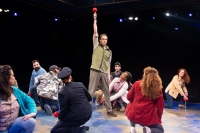
The Best of Us: Marriott Theatre’s Come From Away
03 September 2026 in Theatre in ReviewCome From Away begins from a place of deep uncertainty, yet what emerges is a story grounded in the steady,…

Steppenwolf Theatre Presents Revival of TOPDOG/UNDERDOG September 17 – November 1 / Rehearsals Underway
02 September 2026 in Upcoming TheatreSteppenwolf Theatre Company, the nation's premier ensemble theater company, is pleased to launch its 51st Season with Suzan-Lori Parks' Pulitzer Prize-winning drama Topdog/Underdog, helmed by Tony Award-winning…

Chicago Black Dance Legacy Project Gala: Radiant & Sumptuous at the Harris
01 September 2026 in Dance in ReviewThe first thing you notice about the meticulously curated Black dance performance held at the Harris Theater over the weekend…

Vape! The Grease Parody Is High-Energy Fluff
01 September 2026 in Theatre in ReviewVape! The Grease Parody, currently running at Chicago’s Apollo Theater through January, takes a satirical swing at the iconic 1978…

BrightSide Theatre Announces "Monte Carlo Night" 15th Anniversary Gala and Fundraiser on September 25
01 September 2026 in Theatre BuzzBrightSide Theatre will celebrate its 15th anniversary with "Monte Carlo Night," a gala and fundraiser, on Friday, September 25, 2026,…
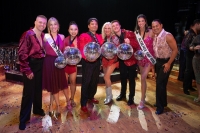
GDC Hosts 19th Anniversary “Dancing With The Giordano Stars” Ballroom Dance Competition October 8th
01 September 2026 in Upcoming DanceGiordano Dance Chicago (GDC) hosts its highly anticipated 19th Anniversary "Dancing With The Giordano Stars" ballroom dance competition 7-11 p.m. Thursday, Oct. 8…
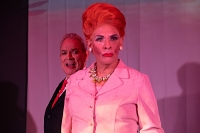
A Loving, Delight‑Packed Celebration: Joan Crawford Goes to Hell Marks 25 Years of Handbag
31 August 2026 in Theatre in ReviewHell in a Handbag Productions celebrates its 25th year with a revival of Joan Crawford Goes to Hell, a sharp,…

An Immersive Sunday in the Park with George at Kokandy Productions
31 August 2026 in Theatre in ReviewComposition, tension, balance, light, and harmony come together seamlessly in Kokandy Productions’ revival of Sondheim’s opus, ‘Sunday in the Park…

Robert Falls to Direct the World Premiere of FLYING MONKEYS, by L.C. Bernadine, at Redtwist Theatre, Dec 6 - Jan 17
31 August 2026 in Upcoming TheatreAward-winning Redtwist Theatre, launching its 22nd season with Prayer Circle, September 17 - November 8, by Erik Gernand and directed by Executive Artistic Director Dusty Brown, announces today…

Buffalo Theatre Ensemble Names Daniel Millhouse as New Managing Artistic Director
31 August 2026 in Theatre BuzzBuffalo Theatre Ensemble (BTE), the professional theater company in residence at the McAninch Arts Center (MAC), is pleased to announce that, in keeping…
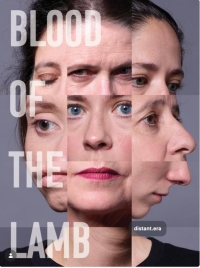
Promethean Theatre Ensemble to offer talkbacks after selected performances BLOOD OF THE LAMB, opening September 5 and 6
31 August 2026 in Upcoming TheatrePromethean Theatre Ensemble announced today it will offer post-show audience talkbacks following two performances of their Chicago premiere of BLOOD OF…

City Lit’s Shane Saddles Up a Classic Western With Fresh Heart
30 August 2026 in Theatre in ReviewCity Lit Theatre’s world premiere of Shane, adapted for the stage and directed by Mark Pracht, brings a fresh, nostalgic…
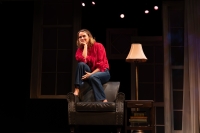
In Sisters, Barrie Turns an AI Fable into an Impressive Character Study
29 August 2026 in Theatre in ReviewThe rise of artificial intelligence raises many questions about its effect on humanity. What does it mean if we become…

Buddy Holly’s Brilliance, Reawakened on the Drury Lane Stage
27 August 2026 in Theatre in ReviewDrury Lane Theatre opens its latest musical with a warm jolt of rock ’n’ roll energy as Buddy – The…
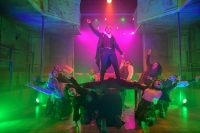
Kokandy's JEKYLL & HYDE Extended by Popular Demand
26 August 2026 in Upcoming TheatreBroadway In Chicago is pleased to announce a darkly delicious Halloween surprise: Kokandy Productions’ critically acclaimed revival of JEKYLL & HYDE will be extended…

Following Obama Center premiere, Manual Cinema's acclaimed productions return to Chicago's Studebaker Theater
26 August 2026 in Upcoming TheatreChicago-based Emmy Award-winning performance collective and film/video production company Manual Cinema premiered two new hand-animated films at the Obama Presidential Center Museum…
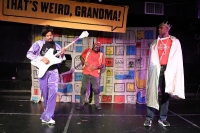
Playmakers Lab’s That’s Weird Grandma’s 25th Birthday is a fine place to giggle
25 August 2026 in Theatre in ReviewIf you need an energy boost, skip the can of Monster and get yourself, plus loved ones of any age,…

Victory Gardens Theater presents the World Premiere of Zayd Ayers Dohrn's The Humanities September 10 through October 4
25 August 2026 in Upcoming TheatreVictory Gardens Theater (2433 N. Lincoln Avenue), an historic incubator for new play development, proudly announces the World Premiere staging of The…
Lookingglass Kowalski starring Johnny Galecki and Jacob Moskovitz September 15 through October 25
25 August 2026 in Upcoming TheatreJoining the previously announced stars of Kowalski Johnny Galecki ("The Big Bang Theory," "The Little Dog Laughed") as Tennessee Williams and Jacob Moskovitz ("Elle") as Marlon…

Shattered Globe Theatre Opens 36th Season with Midwest Premiere of VLADIMIR October 2 – November 14 at Theater Wit
25 August 2026 in Upcoming TheatreShattered Globe Theatre is pleased to open its 36th Season with the Midwest premiere of Erika Sheffer's Vladimir, an unflinching drama of resistance directed by Ensemble Member Lou Contey*,…

TICKETS FOR A 20 RETURNS WITH SPECIALLY PRICED $20 TICKETS FROM HOT TIX AUGUST 27-SEPTEMBER 14, 2026
24 August 2026 in Theatre BuzzThe League of Chicago Theatres announces the return of Tickets for a 20. From Thursday, August 27 through Monday, September 14, 2026, theatregoers can…

Babes With Blades's announces William Shakespeare's KING LEAR, October 15 - November 21
24 August 2026 in Upcoming TheatreBabes With Blades Theatre Company’s (BWBTC), now presenting the world premiere of yo ho. through August 29 at The Edge Off-Broadway, shares the…

BrightSide Theatre announces THE ADDAMS FAMILY MUSICAL, to play October 2 - 18
24 August 2026 in Upcoming TheatreBrightSide Theatre has announced cast and crew for THE ADDAMS FAMILY MUSICAL - the kickoff production of BrightSide's 15th Anniversary season.…
35th Annual Dance for Life Saturated with Excellence
23 August 2026 in Dance in ReviewFrom its beginning in 1992 on the tiny stage of a modest theater, Dance for Life (DFL) has grown and…

Chicago Shakespeare Theater announces Two Shakespeare Productions in Repertory beginning October 13 - January 3
21 August 2026 in Upcoming TheatreChicago Shakespeare Theater (CST) announces the cast and creative team for the company's fall Shakespeare Repertory productions, an unforgettable theatrical event at the heart…
Rising star Jacob Moskovitz to play Marlon Brando in the Chicago presentation of Kowalski at Lookingglass Theatre
20 August 2026 in Theatre in ReviewRising star Jacob Moskovitz ("Elle") has joined the cast of Kowalski as Marlon Brando, alongside previously announced Chicago theater veteran Johnny Galecki ("The Big Bang Theory," "The Little…

McHenry Outdoor Theater: Nostalgia With a Modern Heartbeat
20 August 2026 in Theatre BuzzThere was a particular kind of magic to seeing a movie outside when I was a kid in 1970s Chicago…
‘Anatomy of a Suicide’ Is Hard to Watch, But Not Because of the Subject
18 August 2026 in Theatre in ReviewPerhaps surprisingly, Anatomy of a Suicide is not an overwhelmingly emotionally gripping play, nor is it horrifying. Instead, it vividly…

Gwydion Theatre Company presents The Chicago Premiere of Por’ Knockers at the Greenhouse Theater’s Studio 44 September 10 - October 4
18 August 2026 in Upcoming TheatreThis narrative tracks five individuals within the "People’s Diasporatic Party"—outfitted in corporate attire—as they take refuge in a desolate East…





Latest Articles
-
 Standing Room Only Crowd for Chicago’s Leading Theater Artistic Directors
Written by Bill EslerIt must have been heavenly for the creative leaders of Goodman, Steppenwolf, Chicago Shakespeare and Court, Chicago’s top regional theaters, to be greeted by a standing room only crowd. But there they were, on a panel moderated by the eminent…
Standing Room Only Crowd for Chicago’s Leading Theater Artistic Directors
Written by Bill EslerIt must have been heavenly for the creative leaders of Goodman, Steppenwolf, Chicago Shakespeare and Court, Chicago’s top regional theaters, to be greeted by a standing room only crowd. But there they were, on a panel moderated by the eminent… -
 The Best of Us: Marriott Theatre’s Come From Away
Written by Kimberly KatzCome From Away begins from a place of deep uncertainty, yet what emerges is a story grounded in the steady, everyday kindness people offer when they have nothing else to give. Rather than revisiting the events of September 11 themselves,…
The Best of Us: Marriott Theatre’s Come From Away
Written by Kimberly KatzCome From Away begins from a place of deep uncertainty, yet what emerges is a story grounded in the steady, everyday kindness people offer when they have nothing else to give. Rather than revisiting the events of September 11 themselves,… -
 Steppenwolf Theatre Presents Revival of TOPDOG/UNDERDOG September 17 – November 1 / Rehearsals Underway
Written by Buzz Center StageSteppenwolf Theatre Company, the nation's premier ensemble theater company, is pleased to launch its 51st Season with Suzan-Lori Parks' Pulitzer Prize-winning drama Topdog/Underdog, helmed by Tony Award-winning director Kenny Leon, who returns to Steppenwolf following his hit production of King James. Ensemble members Glenn Davis (Windfall, Purpose–Chicago/Broadway, King James) and Namir Smallwood (Windfall, The Book of…
Steppenwolf Theatre Presents Revival of TOPDOG/UNDERDOG September 17 – November 1 / Rehearsals Underway
Written by Buzz Center StageSteppenwolf Theatre Company, the nation's premier ensemble theater company, is pleased to launch its 51st Season with Suzan-Lori Parks' Pulitzer Prize-winning drama Topdog/Underdog, helmed by Tony Award-winning director Kenny Leon, who returns to Steppenwolf following his hit production of King James. Ensemble members Glenn Davis (Windfall, Purpose–Chicago/Broadway, King James) and Namir Smallwood (Windfall, The Book of… -
 Chicago Black Dance Legacy Project Gala: Radiant & Sumptuous at the Harris
Written by Mitchell OldhamThe first thing you notice about the meticulously curated Black dance performance held at the Harris Theater over the weekend is language. The eloquence and weight of the words used to explain why the Chicago Black Dance Legacy Project (CBDLP)…
Chicago Black Dance Legacy Project Gala: Radiant & Sumptuous at the Harris
Written by Mitchell OldhamThe first thing you notice about the meticulously curated Black dance performance held at the Harris Theater over the weekend is language. The eloquence and weight of the words used to explain why the Chicago Black Dance Legacy Project (CBDLP)…


Does your theatre company want to connect with Buzz Center Stage or would you like to reach out and say "hello"? Message us through facebook or shoot us an email at This email address is being protected from spambots. You need JavaScript enabled to view it..
*This disclaimer informs readers that the views, thoughts, and opinions expressed in the text belong solely to the author, and not necessarily to Buzz Center Stage. Buzz Center Stage is a non-profit, volunteer-based platform that enables, and encourages, staff members to post their own honest thoughts on a particular production.